





Öncelikle, terminoloji hakkında hızlı bir açıklama
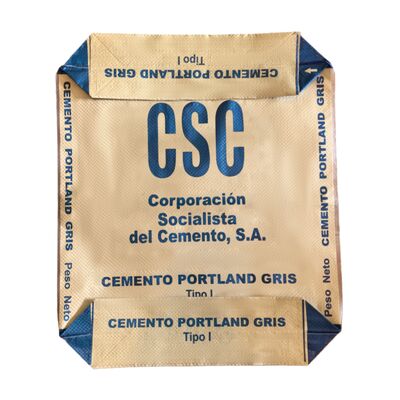
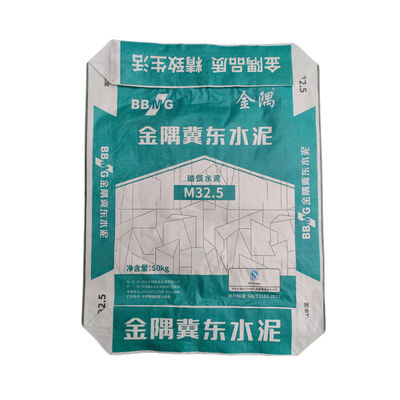
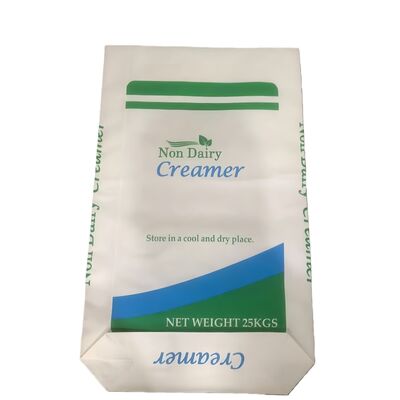
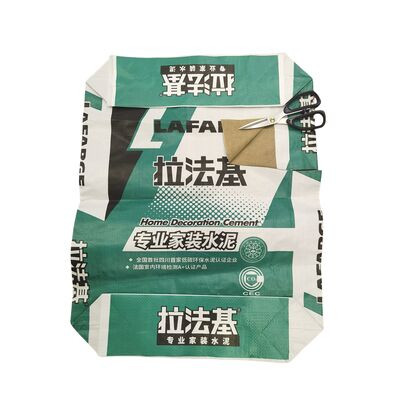
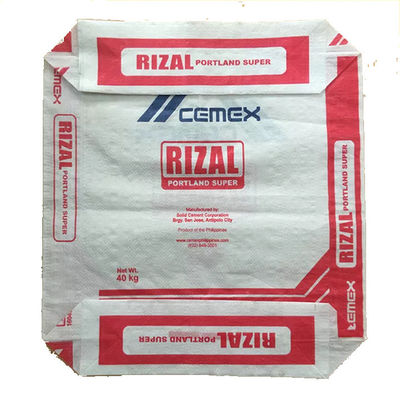
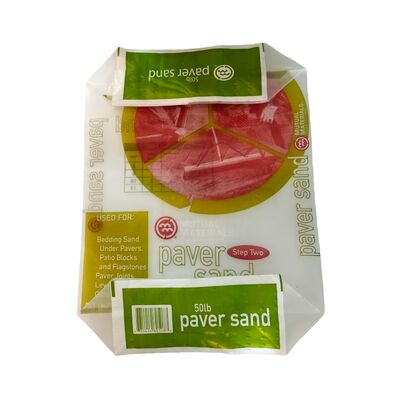
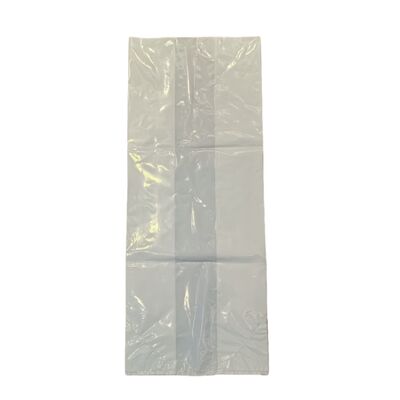
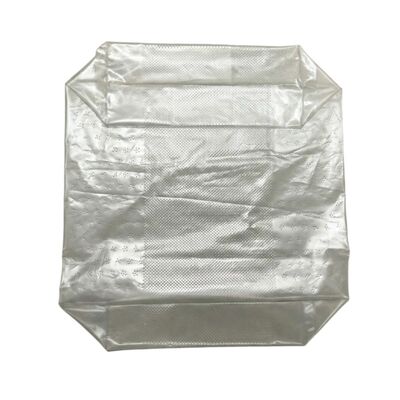
Bir "vana torbası", açık bir üst yerine küçük bir açıklıktan - vanadan - doldurulan herhangi bir torbayı ifade eder. Doldurulduktan sonra, vana içeriğin basıncı altında kendini kapatır. Bu tasarım, toz halindeki malzemelerde yaygındır: çimento, sıva, alçı, kuru harç. Hızlı dolar ve paletlere iyi istiflenen temiz, tuğla benzeri bir şekil üretir.
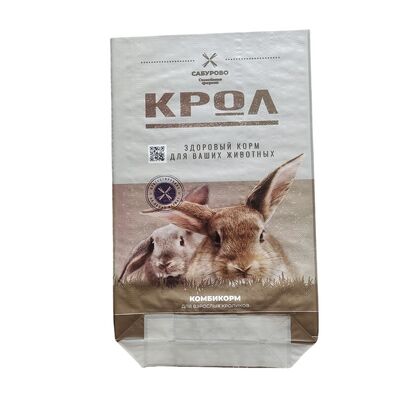
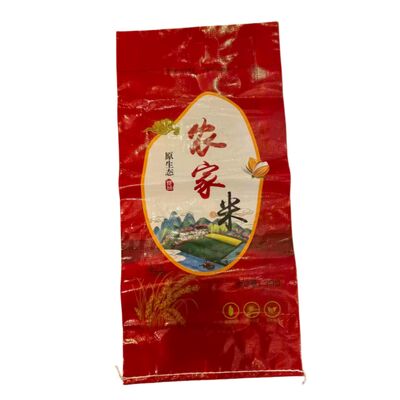
PP ve kağıt versiyonları arasındaki fark, kabuk malzemesidir. PP (polipropilen) vana torbaları, baskı ve nem koruması için genellikle BOPP lamine yüzeyli, dokuma plastik kumaştan yapılır. Kağıt vana torbaları, kraft kağıdından - genellikle iki ila dört katmandan - yapılır ve nem direnci gerektiğinde iç PE astar içerebilir.
Her iki tip de aynı blok tabanlı yapıya sahiptir ve bir ağız vanası aracılığıyla doldurulur. Ayrım malzemeden kaynaklanır - ve bu malzeme seçimi dayanıklılığı, neme karşı direnci, baskı kalitesini ve maliyeti etkiler.
Dürüst döküm
Bir kazanan ilan etmek yerine, her çantanın neyi iyi yaptığını ve nerede yetersiz kaldığını anlamak daha faydalıdır.
- ✓ Mükemmel yırtılma ve delinme direnci
- ✓ Güçlü nem bariyeri (lamine ile)
- ✓ Nakliye sırasında zorlu kullanıma dayanır
- ✓ Toplu olarak birim başına daha düşük maliyet
- – BOPP yükseltmesi olmadan sınırlı baskı kalitesi
- ✗ Biyolojik olarak parçalanamaz
- ✗ Bazı perakende pazarları rafta kağıdı tercih eder
- ✓ Premium görünüm, daha iyi raf varlığı
- ✓ Kraft yüzeyde yüksek çözünürlüklü baskı
- ✓ Biyolojik olarak parçalanabilir / çevre dostu algısı
- ✓ Avrupa ve perakende pazarlarında tercih edilir
- – Neme karşı direnç iç astara bağlıdır
- ✗ Zorlu kullanıma karşı daha az dirençli
- ✗ Genellikle birim başına daha yüksek maliyet
Her tipin aslında en iyi performans gösterdiği yer
PP Vana Torbaları, aşağıdaki durumlarda doğru seçimdir...
Tedarik zinciriniz uzun deniz taşımacılığı, birden fazla elleçleme noktası veya açık hava depolama içerir. Dokuma PP yırtılması zordur - forklift'ten dolu bir torbayı düşürün ve muhtemelen hayatta kalacaktır. Lamine PE film ayrıca sağlam bir nem bariyeri sağlar, bu da Güneydoğu Asya, Batı Afrika veya kıyı pazarlarındaki nemli iklimler için önemlidir.
Fiyat hassasiyeti olan toplu alıcılar - inşaat müteahhitleri, büyük altyapı projeleri - genellikle ürünü hala koruyan en düşük torba maliyetini ister. PP vana torbaları her iki konuda da kazanır. Ayrıca, çimentonun 50 kg'lık miktarlarda satıldığı ve torbaların fazla tören yapılmadan elleçlendiği çoğu gelişmekte olan pazarda standarttır.
Kağıt Vana Torbaları, aşağıdaki durumlarda daha mantıklıdır...
Perakende kanallarını hedefliyorsunuz - nalburları, DIY mağazalarını, ev geliştirme zincirlerini - burada çanta bir paletin üzerinde durur ve bir tüketici onu alır. Kraft yüzey güzel baskı yapar ve genel görünüm daha premium okunur. Birçok Avrupalı alıcı, sürdürülebilirlik taahhütleri ve perakendeci gereksinimleriyle uyumlu oldukları için özellikle kağıt torbalar talep eder.
Kağıt ayrıca özel ürünler için de iyi çalışır: fayans yapıştırıcısı, duvar macunu, sıva ve emtia malzemeleri yerine markalı ürünler olarak konumlandırılan dekoratif çimentolar. Ambalajın güçlü bir marka kimliği taşıması gerekiyorsa, kağıt görsel olarak daha fazla şey sunar.
PE iç astarlı modern kağıt vana torbaları, iyi bir neme karşı dirence sahiptir. Tamamen lamine edilmiş bir PP torbası kadar kurşun geçirmez değillerdir, ancak kapalı alanda depolanan ve hızlı satılan ürünler için fark marjinaldir.
Yan yana karşılaştırma
| Faktör | PP Vana Torbası | Kağıt Vana Torbası |
|---|---|---|
| Fiziksel güç | Yüksek - dokuma yapı | Orta - kat sayısına bağlıdır |
| Neme karşı direnç | Yüksek (PE lamine ile) | Orta (iç PE astarlı) |
| Baskı kalitesi | İyi (canlı baskı için BOPP gerekir) | Kraft yüzeyde mükemmel |
| Raf çekiciliği | Endüstriyel / fonksiyonel | Premium / perakende dostu |
| Eko algısı | Plastik - bazı pazarlarda incelenir | Biyolojik olarak parçalanabilir, AB'de tercih edilir |
| Maliyet (toplu olarak) | Daha düşük | Daha yüksek |
| En iyi kullanım durumu | Toplu / endüstriyel, gelişmekte olan pazarlar | Perakende, Avrupa, markalı ürünler |
Alıcıların sıklıkla gözden kaçırdığı birkaç şey
Doldurma makineniz önemlidir. PP ve kağıt vana torbaları farklı ağız boyutları ve dolum basınçları gerektirir. Mevcut bir paketleme hattı kullanıyorsanız, malzemeleri değiştirmeden önce uyumluluğu kontrol edin - veya taahhüt etmeden önce ekipman ayarlama maliyetlerini hesaba katın.
İklim sadece yağmurla ilgili değildir. Sıcak, nemli koşullarda, kuru görünen bir çanta bile çimento kalitesini etkileyecek kadar nem emebilir. Dağıtım zinciriniz tropikal iklimlerden geçiyorsa, iç astarın (kağıt torbalar için) sızdırmazlık bütünlüğü veya lamine kalitesi (PP torbalar için) kritik hale gelir. Örnekler isteyin ve gerçek depolama koşullarınızda test edin.
"Eko" argümanı göründüğünden daha karmaşıktır. Kağıt torbalar biyolojik olarak parçalanabilir, evet - ancak aynı gücü PP'ye ulaşmak için birim başına daha fazla ham madde gerektirirler. Çok katmanlı kağıt torbalar (3-4 kat) tek katmanlı dokuma bir PP torbadan önemli ölçüde daha fazla malzeme kullanır. Her iki seçenek de doğrudan "yeşil" değildir. Sürdürülebilirlik, bir pazarlama onay kutusundan ziyade gerçek bir gereksinimse, tedarikçilere geri dönüştürülmüş PP içeriği veya FSC sertifikalı kraft kağıdı hakkında sorun.
MOQ'lar ve teslim süreleri farklıdır. Kağıt torbalar, çok katmanlı yapıları nedeniyle genellikle daha uzun üretim teslim sürelerine sahiptir. Özel baskılı kağıt işleri genellikle daha fazla planlama teslim süresi gerektirir. Sıkı stok döngülerinde çalışıyorsanız dikkate almaya değer.
Endüstriyel veya ihracat bağlamlarındaki çoğu alıcı için PP vana torbaları daha iyi değer ve dayanıklılık sunar. Perakende veya markalı uygulamalar için - özellikle Avrupa pazarlarında - kağıt vana torbaları genellikle daha güçlü bir seçimdir. Şüpheye düştüğünüzde, tam bir sipariş vermeden önce her ikisini de gerçek dolum ekipmanınızla hedef pazarınızın koşullarında test edin.
Hala emin değilseniz, en kolay yol her iki türden de örnek istemektir. Kendi tesisinizde yan yana karşılaştırma, herhangi bir özellik sayfasının sağlayabileceğinden daha fazlasını size söyleyecektir.